
Central heating repairs in Ilfracombe
I'm George Lane, a Gas Safe engineer based in North Devon. I find and fix cold radiators, noisy pipes, failed pumps and pressure that won't hold in Ilfracombe, and I do every job myself.
- £220 including VAT for all the labour to get it working again, however long it takes
- Parts priced before they're fitted. Decide not to go ahead, and you only pay £105
- Travel to Ilfracombe included
Prefer to write? Send an enquiry.

George Lane, Gas Safe No. 515374. Fully insured, 25+ years on boilers. I do every job myself, from the first visit to the finished work.
If you smell gas, leave the property and call the National Gas Emergency number, 0800 111 999, before anything else. Once the supply has been made safe, I can come and deal with the appliance.
What my customers say
5.0 from 103 Google reviews for Thames Boilers, my previous business in Kent
Tarka Boilers is new to North Devon, so it has no reviews of its own yet. Every review here is from a customer of Thames Boilers, the heating business I ran in Kent before I moved here.
Read all 124 reviewsI've been using the services of George at Thames Boilers to service my Boiler and Central Heating for many years now. Always reliable, friendly and efficient.
Paul C.Google review, October 2025Customer of Thames Boilers, Kent Always a pleasure doing business with Thames Boilers. Very friendly and alway provides the best and fastest service. Great job at replacing and upgrading our heaters and performing our boiler services.
Spyridon M.Google review, September 2024Customer of Thames Boilers, Kent We had a problem with our boiler and our heating system not working right as some radiators where cold and some hot and bleeding the radiators didn't do anything. George was very helpful, fruendly, proffesional, explained how things work and left only after all was working well.
Zlata A.Google review, November 2017Customer of Thames Boilers, Kent Really impressed with the work carried out by Thames Boilers, George replaced the pump and carried out a service, along with collecting keys from a different location as I could not be at the property for him to gain access. I would recommend them to anyone looking for an honest, professional and efficient company
Chris H.Google review, January 2020Customer of Thames Boilers, Kent George did a great job servicing our 30 year old boiler and replacing a faulty 3-port valve. Turned up at agreed time and was very polite and kept me informed of what he was doing. Would recommend.
Checkatrade reviewerCheckatrade review, July 2018Customer of Thames Boilers, Kent
- Gas Safe No. 515374Check it on the Gas Safe Register
- 25+ yearson boilers and heating
- G3 qualifiedfor unvented hot-water cylinders
- Fully insuredGeorge Lane trading as Tarka Boilers
I work on Worcester Bosch, Vaillant, Baxi, Ideal, Glow-worm, Potterton and Viessmann. Mains-gas boilers only: I don't work on oil or LPG, and I don't fit new boilers.
Prices for central heating repairs in Ilfracombe
Every price includes VAT and travel.
Fixed-price central heating repair, labour
£220including VATAll the labour to get your central heating working again, however long it takes, including travel and any return visit to fit a part. Parts are priced before they're fitted.
Central heating repair, diagnosis only
£105including VATIf you decide not to go ahead, or it can't sensibly be repaired, you only pay this for the visit, travel and finding the fault.
Travel to Ilfracombe is included in every price.
Every price includes VAT. Repairs are £220 for all the labour, however long it takes, and parts are priced before they're fitted. Decide not to go ahead, and you only pay £105 for the visit.
Central heating repairs in Ilfracombe
Tall Ilfracombe houses are hard to heat evenly, and when the top floor stays cold or the radiators knock, I find out why and fix it. I'm George Lane of Tarka Boilers, a Gas Safe engineer (No. 515374) based in North Devon, repairing mains-gas central heating across the town.
Fixed-price heating repair: £220 including VAT for all the labour to get your heating working again, however long it takes. Parts are priced before they're fitted. Decide not to go ahead, and you only pay £105 for the visit. Book online or call 01271 444410.
How booking works
You book
Book online and your time is confirmed straight away. I work Monday to Friday, 9am to 5pm, and I'm not an emergency service. If it isn't a job for me, I'll say so and point you to someone who can help, rather than going quiet on you.
You'll know when I'm coming
You choose a start time when you book, not a morning or an afternoon. It is an estimate, because the job before yours can finish early or run on. When I set off to you, you get a text with a link that shows where I am, so you can see when I'll be at the door.
Properties in Ilfracombe that have been split up
Many large houses here were converted into flats, and the heating was split, reworked or replaced at different times. In some, pipework runs through more than one flat. If a repair needs access to another flat or a shared area, I'll tell you before I start.
Why the top floor is the last to warm up
In a house of three or four storeys, heat has to be pumped a long way up. The usual reasons the top rooms stay cool:
- The pump is worn or set too low for the height of the house.
- Air collects at the top of the system, so the highest radiators need bleeding more often.
- The system isn't balanced, so the lower radiators take most of the flow.
- Sludge has settled in the radiators furthest from the boiler.
Often it's two of these together. I work through them in order rather than swapping parts in hope.
Pressure loss in older buildings
In an older building, a slow leak can hide under floorboards or behind boxing. If your pressure keeps falling, I check the visible valves, the boiler relief valve and the expansion vessel first, then narrow it down. Some leaks need floorboards up, and that would be priced with you before I do it.
FAQs: central heating repairs in Ilfracombe
Is there a travel charge to Ilfracombe?
No. Travel to Ilfracombe is included in the price.
Can you fix radiators that knock or bang?
Usually. Knocking often comes from air, a pump running too fast, or pipes moving against joists as they heat. When I come out, I'll find out which.
Do you replace radiators?
Yes. The radiator and the fitting are priced before I start.
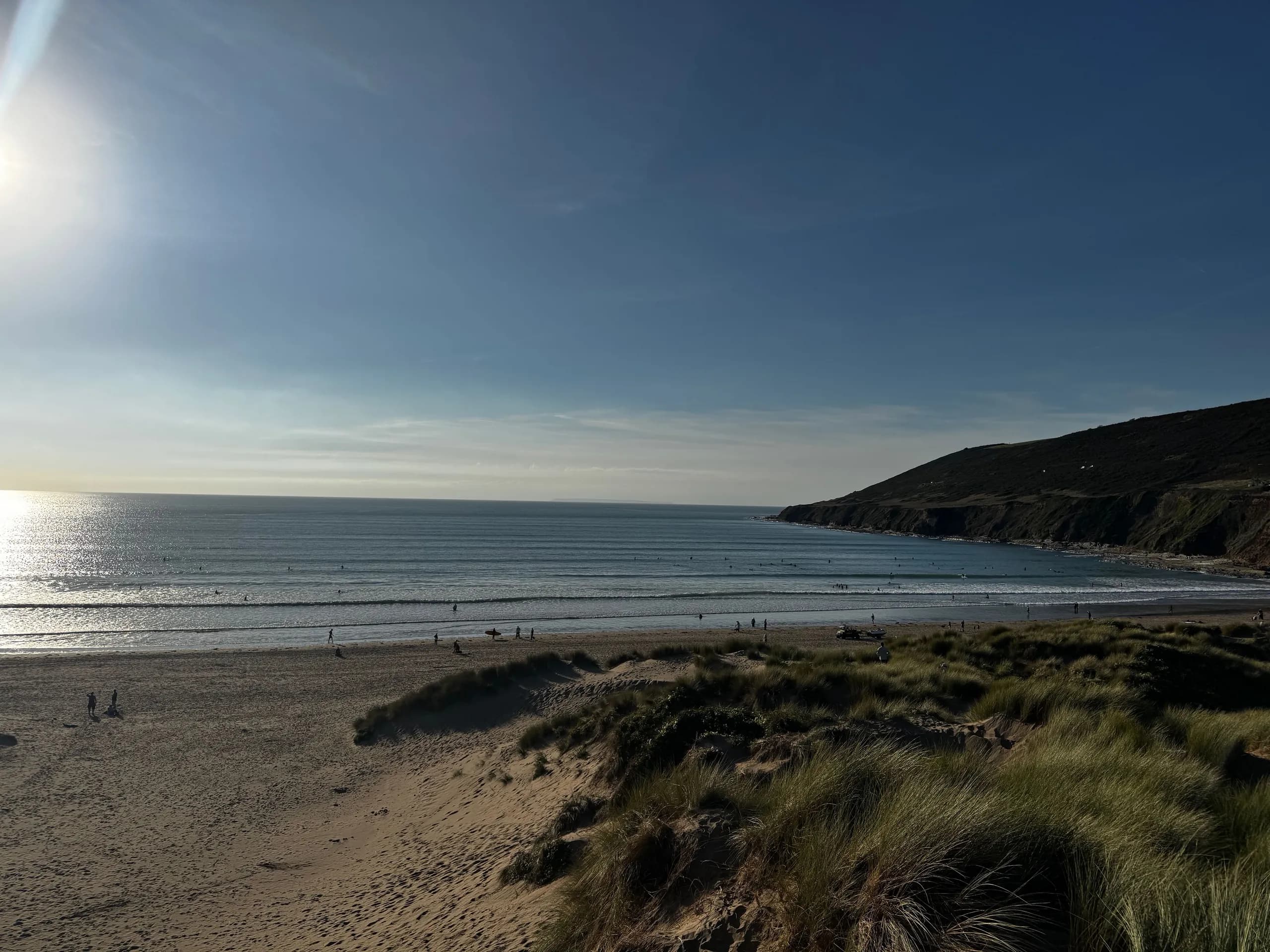
Central heating repairs near Ilfracombe
Other services in Ilfracombe
See all services in Ilfracombe- Boiler repairsMains-gas boiler faults found and fixed for one fixed labour price, however long it takes, with parts priced before they're fitted.
- Boiler servicingYearly gas boiler services: a standard service, or a full service with a new burner gasket and a full clean.
- Landlord gas safety checksLandlord gas safety checks and certificates for rented homes, with a reminder when the next is due.
Central heating repairs in Ilfracombe?
Every price includes VAT. Repairs are £220 for all the labour, however long it takes, and parts are priced before they're fitted. Decide not to go ahead, and you only pay £105 for the visit. Travel to Ilfracombe is included in every price.
Prefer to write? Send an enquiry.